By: Karen Schutte | Sept. 17, 2026
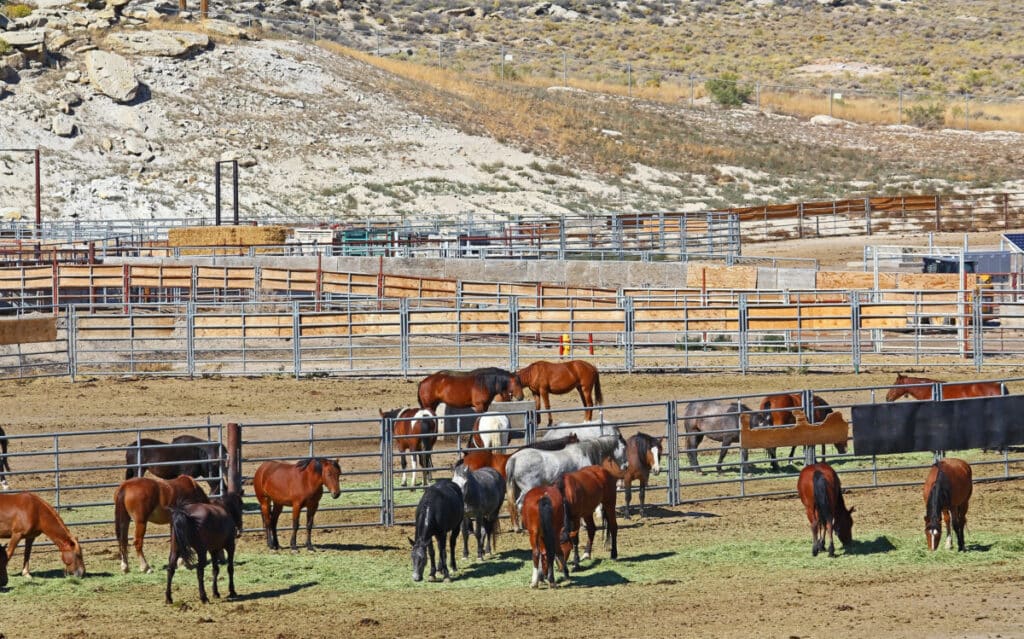
WASHINGTON, D.C. — Arizona Congressman Juan Ciscomani has joined a bipartisan group of lawmakers calling for a federal investigation into whether wild horses and burros protected under federal law are entering the slaughter pipeline through the Bureau of Land Management’s Wild Horse and Burro Sale Program.
Ciscomani, who represents Arizona’s 6th Congressional District and serves as a co-chair of the Congressional Wild Horse Caucus, joined Congresswoman Dina Titus of Nevada and 16 other members of Congress in requesting that the U.S. Government Accountability Office review the BLM program. The bipartisan, bicameral request was announced Thursday, Sept. 17. (Dina Titus)
The lawmakers are asking the GAO to examine whether current BLM practices adequately protect federally managed wild horses and burros and comply with congressional directives intended to keep the animals from being sold for slaughter.
“It’s long past time to fix the ongoing failures in how America’s wild horses are managed,” Ciscomani said. “For years, across both Republican and Democrat administrations, we’ve seen alarming reports of hostility toward these animals and serious questions about how the Bureau of Land Management is carrying out its responsibilities.”
Ciscomani said protecting wild horses should transcend party politics.
“This cannot be a partisan issue. It’s a stewardship issue,” he said. “I’m proud to join this bipartisan effort to demand accountability, protect our wild horses, and push for real solutions that address the problem head-on.” (Dina Titus)
The congressional request follows recent reporting cited by the lawmakers that raised questions about whether a loophole in BLM’s Sale Program could allow federally protected horses to ultimately reach slaughter after title is transferred.
Congress has repeatedly prohibited federal funds from being used to destroy healthy wild horses and burros or sell them for processing into commercial products. The lawmakers want the GAO to examine BLM’s purchaser screening, including how the agency identifies repeat or high-risk buyers and whether buyers may have connections to livestock auctions, brokers, kill buyers or slaughter facilities. (Dina Titus)
The requested review would also examine what happens after a horse is sold, including BLM’s ability to track animals, determine whether they have entered a slaughter-related facility and intervene when necessary.
The issue has gained additional attention following reports that federally protected wild horses appeared at the New Holland livestock auction in Pennsylvania. According to American Wild Horse Conservation, BLM subsequently intervened, voided the transaction and reclaimed the horses for placement through BLM adoption contracts. (American Wild Horse)
Ciscomani has previously worked with members of both parties on federal wild horse policy. In 2025, he joined Titus and Congressman Steve Cohen of Tennessee in introducing the bipartisan Wild Horse and Burro Protection Act, legislation aimed at phasing out the use of helicopters in federal wild horse and burro roundups. (Dina Titus)
The Arizona congressman has also supported congressional efforts to maintain protections against slaughter and increase the use of fertility control as an alternative to removing horses from the range.
The latest request asks the GAO to provide Congress with an independent assessment of whether the BLM Sale Program is operating as a legitimate placement program or has become a route through which federally protected wild horses and burros can enter the slaughter pipeline after ownership is transferred.
American Wild Horse Conservation endorsed the congressional request, calling an independent GAO review an important step toward determining whether reforms are needed in the federal sale program. (American Wild Horse)
Citizens who oppose current BLM programs are asked to call or write to their U.S. Senators and Representatives and voice their opinions.